Buy mediation-online.eu ?
We are moving the project
mediation-online.eu .
Are you interested in purchasing the domain
mediation-online.eu ?
domain@kv-gmbh.de · 0541-91531010
Buy mediation-online.eu ?
What is the difference between Subject-Verb-Object (SVO) and Subject-Subject-Verb (SSV) sentences?
The main difference between Subject-Verb-Object (SVO) and Subject-Subject-Verb (SSV) sentences lies in the order of the elements. In SVO sentences, the subject comes first, followed by the verb, and then the object. In SSV sentences, there are two subjects followed by the verb. This difference in structure can impact the emphasis and clarity of the sentence, as well as the overall flow of information. **
Is "leben" a subject or a verb?
"Leben" is a verb in German. It means "to live" in English. It is used to describe the action of being alive or residing in a particular place. **

Similar search terms for Subject-verb
Top-Angebote
Products related to Subject-verb:
-
Inspired Deals Precision Digital Thickness Gauge 025.4mm With 0.01mm Resolution Precision Digital Thickness Gauge 025.4mm With 0.01mm ResolutionGet dependable measurements in seconds and take the guesswork out of material selection and quality checks. This digital thickness gauge measures from 025.4mm with 0.01mm resolution and approximately 0.02mm tolerance for consistent everyday...64,97 $*Shipping: 0,00 $Secure redirect to the provider
-
Arcturus A Degree in a Book: Psychology by Alan Porter Everything You Need to Know to Master the Subject - in One Book!A perfect introduction for students and laypeople alike, A Degree in a Book: Psychology provides you with all the concepts you need to understand the fundamental issues. Filled with helpful diagrams, suggestions for further reading, and easily digestible features on the history of psychology, this book makes understanding the human mind easier than ever. Including the theories of Francis Galton, Sigmund Freud, Ivan Pavlov, and many more, it covers the whole range of psychological research. By the time you finish reading this book, you will be able to answer questions such as: How do we learn? Do groups make better decisions than individuals? How do we study the living brain? What are the components of personality?8,95 £*Shipping: 2,99 £Secure redirect to the provider
-
Inspired Deals Disney Bitzee Digital Pet Carrying Case, Hard Shell Storage Organizer For Interactive Virtual Pets Travel Safe Disney Bitzee Digital Pet Carrying Case, Hard Shell Storage Organizer For Interactive Virtual Pets Travel SafeFall in love with keeping your childs favorite digital companion safe and ready for every adventure. This digital pet storage case is thoughtfully designed for Bitzee and similar interactive toys, giving parents peace of mind and kids the freedom to...39,97 $*Shipping: 0,00 $Secure redirect to the provider
-
Tiny Tots Teens Trends Nostalgic Transparent Electronic Pets, Pixel Funny Virtual Cyber Digital Toy Keychain 7Bring back the charm of childhood with these Transparent Electronic Pets! Perfect for both kids and adults, this nostalgic virtual pet game brings fun pixel play and digital memories in a small, portable keychain size. With 168 pets to choose from,...23,97 $*Shipping: 0,00 $Secure redirect to the provider




-
What questions are there about subject-verb agreement?
Some common questions about subject-verb agreement include: 1. How do I know which form of the verb to use with a singular or plural subject? 2. What about collective nouns or indefinite pronouns - do they take a singular or plural verb? 3. How do I handle compound subjects, where there are multiple nouns or pronouns joined by "and" or "or"? 4. Are there any exceptions or irregularities to the standard rules of subject-verb agreement? 5. What are some common mistakes to watch out for when it comes to subject-verb agreement? **
-
What is the order of subject, verb, and object in Latin?
In Latin, the typical word order is Subject-Object-Verb (SOV). This means that the subject of the sentence comes first, followed by the object, and then the verb. For example, "puella rosam amat" translates to "the girl loves the rose," where "puella" is the subject, "rosam" is the object, and "amat" is the verb. However, Latin is a highly inflected language, so word order can be flexible and the meaning of the sentence is often determined by the case and ending of the words rather than their position in the sentence. **
-
What is the difference between negotiation subject and negotiation basis?
The negotiation subject refers to the specific issue or topic that is being discussed or negotiated between parties. It is the main focus of the negotiation process. On the other hand, negotiation basis refers to the underlying principles, interests, or criteria that guide the negotiation process. It is the foundation upon which the negotiation subject is discussed and agreements are reached. In essence, the negotiation subject is what is being negotiated, while the negotiation basis is the framework or principles that guide the negotiation process. **
-
What is the difference between negotiation basis and negotiation subject?
The negotiation basis refers to the underlying principles, criteria, or standards that guide the negotiation process, such as fairness, efficiency, or mutual benefit. On the other hand, the negotiation subject is the specific issue, topic, or matter that is being discussed and negotiated between the parties involved. In essence, the negotiation basis sets the framework for how the negotiation will be conducted, while the negotiation subject is the actual content of the negotiation. **


What is the subject of the negotiation?
The subject of the negotiation is the terms and conditions of a potential agreement between the parties involved. This could include discussing the price, delivery schedule, quality standards, and any other relevant terms that need to be agreed upon. The negotiation aims to find a mutually acceptable solution that satisfies the interests and needs of both parties. **
What is an auxiliary verb and a main verb?
An auxiliary verb, also known as a helping verb, is a verb that is used with a main verb to form a verb phrase. It helps to express the tense, mood, or voice of the main verb. Common auxiliary verbs include "be," "have," and "do." A main verb, also known as a lexical verb, is the primary verb in a sentence that carries the main meaning or action. It is the verb that is not preceded by an auxiliary verb in a verb phrase. Main verbs can express actions, states of being, or occurrences. **
Top-Angebote
Products related to Subject-verb:
-
Graco Verb Travel System, MerrickThe Graco Verb Travel System gives you a stylish and smooth ride for your child. It includes a SnugRide Lite Infant Car Seat (for baby from 4-30 lb), which connects to the stroller with a secure, one-second attachment.239,99 $*Shipping: 0,00 $Secure redirect to the provider
-
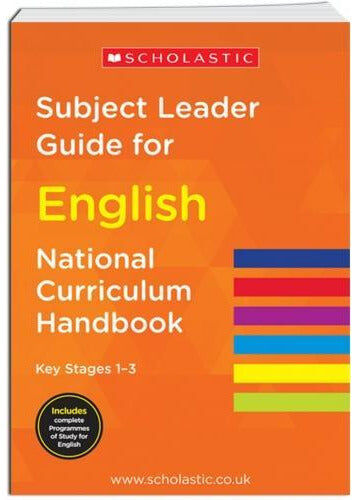
Scholastic National Curriculum Handbook Subject Leader Guide For English Key Stage 1-3National Curriculum Handbook Subject Leader Guide for English Key Stage 1-3 Description: Get ready for the biggest curriculum change in more than a decade! To help coordinators to deliver the new curriculum; Scholastic has published the first complete printed programme of study for key stages 1-3 in English. Each guide also provides a wealth of subject leader support including: an overview of the main changes to the curriculum; an overview of the subject leader's role at times of curriculum change; priority areas at each key stage; how to add creativity to the new curriculum; helpful subject leader's check-list. Scholastic; publisher of the best-selling 100 Lessons series; has partnered with Babcock Learning and Development Partnership (Devon Local Authority); one of the UK's leading school improvement services; to develop these essential subject guides.9,99 £*Shipping: 2,99 £Secure redirect to the provider
-
Inspired Deals Precision Digital Thickness Gauge 025.4mm With 0.01mm Resolution Precision Digital Thickness Gauge 025.4mm With 0.01mm ResolutionGet dependable measurements in seconds and take the guesswork out of material selection and quality checks. This digital thickness gauge measures from 025.4mm with 0.01mm resolution and approximately 0.02mm tolerance for consistent everyday...64,97 $*Shipping: 0,00 $Secure redirect to the provider
-
Arcturus A Degree in a Book: Psychology by Alan Porter Everything You Need to Know to Master the Subject - in One Book!A perfect introduction for students and laypeople alike, A Degree in a Book: Psychology provides you with all the concepts you need to understand the fundamental issues. Filled with helpful diagrams, suggestions for further reading, and easily digestible features on the history of psychology, this book makes understanding the human mind easier than ever. Including the theories of Francis Galton, Sigmund Freud, Ivan Pavlov, and many more, it covers the whole range of psychological research. By the time you finish reading this book, you will be able to answer questions such as: How do we learn? Do groups make better decisions than individuals? How do we study the living brain? What are the components of personality?8,95 £*Shipping: 2,99 £Secure redirect to the provider
-
What is the difference between Subject-Verb-Object (SVO) and Subject-Subject-Verb (SSV) sentences?
The main difference between Subject-Verb-Object (SVO) and Subject-Subject-Verb (SSV) sentences lies in the order of the elements. In SVO sentences, the subject comes first, followed by the verb, and then the object. In SSV sentences, there are two subjects followed by the verb. This difference in structure can impact the emphasis and clarity of the sentence, as well as the overall flow of information. **
-
Is "leben" a subject or a verb?
"Leben" is a verb in German. It means "to live" in English. It is used to describe the action of being alive or residing in a particular place. **
-
What questions are there about subject-verb agreement?
Some common questions about subject-verb agreement include: 1. How do I know which form of the verb to use with a singular or plural subject? 2. What about collective nouns or indefinite pronouns - do they take a singular or plural verb? 3. How do I handle compound subjects, where there are multiple nouns or pronouns joined by "and" or "or"? 4. Are there any exceptions or irregularities to the standard rules of subject-verb agreement? 5. What are some common mistakes to watch out for when it comes to subject-verb agreement? **
-
What is the order of subject, verb, and object in Latin?
In Latin, the typical word order is Subject-Object-Verb (SOV). This means that the subject of the sentence comes first, followed by the object, and then the verb. For example, "puella rosam amat" translates to "the girl loves the rose," where "puella" is the subject, "rosam" is the object, and "amat" is the verb. However, Latin is a highly inflected language, so word order can be flexible and the meaning of the sentence is often determined by the case and ending of the words rather than their position in the sentence. **
Similar search terms for Subject-verb
-
Inspired Deals Disney Bitzee Digital Pet Carrying Case, Hard Shell Storage Organizer For Interactive Virtual Pets Travel Safe Disney Bitzee Digital Pet Carrying Case, Hard Shell Storage Organizer For Interactive Virtual Pets Travel SafeFall in love with keeping your childs favorite digital companion safe and ready for every adventure. This digital pet storage case is thoughtfully designed for Bitzee and similar interactive toys, giving parents peace of mind and kids the freedom to...39,97 $*Shipping: 0,00 $Secure redirect to the provider
-
Tiny Tots Teens Trends Nostalgic Transparent Electronic Pets, Pixel Funny Virtual Cyber Digital Toy Keychain 7Bring back the charm of childhood with these Transparent Electronic Pets! Perfect for both kids and adults, this nostalgic virtual pet game brings fun pixel play and digital memories in a small, portable keychain size. With 168 pets to choose from,...23,97 $*Shipping: 0,00 $Secure redirect to the provider
-
Uplift Essentials Serene Motion Virtual Aquarium Lamp Serene Motion Virtual Aquarium Lamp"Bring the soothing magic of the underwater world to your tabletop with the Serene Motion Virtual Aquarium Lamp. This highdefinition desktop aquarium decorative light uses advanced ""movingpicture"" technology to create a mesmerizing, continuous swim..."82,97 $*Shipping: 0,00 $Secure redirect to the provider
-
Uplift Essentials Virtual Motion Ocean Aquarium Lamp Virtual Motion Ocean Aquarium Lamp"Experience the tranquil beauty of the deep blue without the maintenance of a real tank with the Virtual Motion Ocean Aquarium Lamp. This creative decorative piece uses highdefinition ""moving picture"" technology to simulate a vibrant tropical reef,..."79,97 $*Shipping: 0,00 $Secure redirect to the provider
-
What is the difference between negotiation subject and negotiation basis?
The negotiation subject refers to the specific issue or topic that is being discussed or negotiated between parties. It is the main focus of the negotiation process. On the other hand, negotiation basis refers to the underlying principles, interests, or criteria that guide the negotiation process. It is the foundation upon which the negotiation subject is discussed and agreements are reached. In essence, the negotiation subject is what is being negotiated, while the negotiation basis is the framework or principles that guide the negotiation process. **
-
What is the difference between negotiation basis and negotiation subject?
The negotiation basis refers to the underlying principles, criteria, or standards that guide the negotiation process, such as fairness, efficiency, or mutual benefit. On the other hand, the negotiation subject is the specific issue, topic, or matter that is being discussed and negotiated between the parties involved. In essence, the negotiation basis sets the framework for how the negotiation will be conducted, while the negotiation subject is the actual content of the negotiation. **
-
What is the subject of the negotiation?
The subject of the negotiation is the terms and conditions of a potential agreement between the parties involved. This could include discussing the price, delivery schedule, quality standards, and any other relevant terms that need to be agreed upon. The negotiation aims to find a mutually acceptable solution that satisfies the interests and needs of both parties. **
-
What is an auxiliary verb and a main verb?
An auxiliary verb, also known as a helping verb, is a verb that is used with a main verb to form a verb phrase. It helps to express the tense, mood, or voice of the main verb. Common auxiliary verbs include "be," "have," and "do." A main verb, also known as a lexical verb, is the primary verb in a sentence that carries the main meaning or action. It is the verb that is not preceded by an auxiliary verb in a verb phrase. Main verbs can express actions, states of being, or occurrences. **
* All prices are inclusive of VAT and, if applicable, plus shipping costs. The offer information is based on the details provided by the respective shop and is updated through automated processes. Real-time updates do not occur, so deviations can occur in individual cases. ** Note: Parts of this content were created by AI.