Buy mediation-online.eu ?
We are moving the project
mediation-online.eu .
Are you interested in purchasing the domain
mediation-online.eu ?
domain@kv-gmbh.de · 0541-91531010
Buy mediation-online.eu ?
What is a nucleophilic substitution?
A nucleophilic substitution is a type of organic reaction where a nucleophile replaces a leaving group in a molecule. The nucleophile is an electron-rich species that attacks the electrophilic carbon atom, leading to the displacement of the leaving group. This reaction is commonly seen in alkyl halides, where the halogen atom is replaced by a nucleophile such as hydroxide or amine. Nucleophilic substitutions can proceed via either an SN1 (unimolecular) or SN2 (bimolecular) mechanism, depending on the structure of the substrate and reaction conditions. **
What is a nucleophilic center?
A nucleophilic center is an atom within a molecule that has a partial or full negative charge and is therefore attracted to positively charged species. This center is rich in electrons and is capable of donating a pair of electrons to form a new chemical bond with an electrophile. Nucleophilic centers are commonly found in atoms such as oxygen, nitrogen, and sulfur, which have lone pairs of electrons available for bonding. These centers play a key role in many chemical reactions, such as nucleophilic substitution and addition reactions. **


Similar search terms for Nucleophilic
Top-Angebote
Products related to Nucleophilic:
-
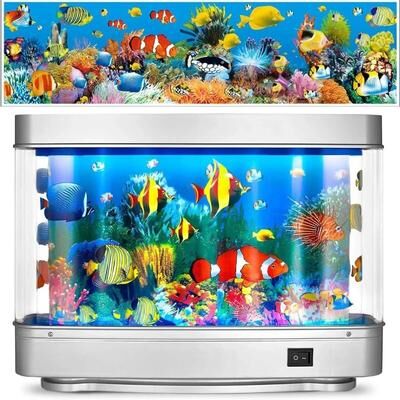
Uplift Essentials Serene Motion Virtual Aquarium Lamp Serene Motion Virtual Aquarium Lamp"Bring the soothing magic of the underwater world to your tabletop with the Serene Motion Virtual Aquarium Lamp. This highdefinition desktop aquarium decorative light uses advanced ""movingpicture"" technology to create a mesmerizing, continuous swim..."82,97 $*Shipping: 0,00 $Secure redirect to the provider
-
Uplift Essentials Virtual Motion Ocean Aquarium Lamp Virtual Motion Ocean Aquarium Lamp"Experience the tranquil beauty of the deep blue without the maintenance of a real tank with the Virtual Motion Ocean Aquarium Lamp. This creative decorative piece uses highdefinition ""moving picture"" technology to simulate a vibrant tropical reef,..."79,97 $*Shipping: 0,00 $Secure redirect to the provider
-
Tiny Tots Teens Trends Nostalgic Transparent Electronic Pets, Pixel Funny Virtual Cyber Digital Toy Keychain 7Bring back the charm of childhood with these Transparent Electronic Pets! Perfect for both kids and adults, this nostalgic virtual pet game brings fun pixel play and digital memories in a small, portable keychain size. With 168 pets to choose from,...23,97 $*Shipping: 0,00 $Secure redirect to the provider
-
Matrix Virtual Training Cycle CXVTHE MATRIX VIRTUAL TRAINING CYCLE The Matrix Virtual Training Cycle is the purpose built bike for your cardio zone. Whether gym members are challenging themselves with exclusive workouts, enjoying streaming entertainment or taking on an immersive group class, the Virtual Training Cycle will...4794,00 £*Shipping: 0,00 £Secure redirect to the provider



-
Is water electrophilic or nucleophilic?
Water is considered nucleophilic because it has a lone pair of electrons on the oxygen atom, which can be donated to an electrophile in a chemical reaction. This lone pair of electrons allows water to act as a nucleophile, meaning it can attack positively charged or electron-deficient species in a chemical reaction. **
-
How does a nucleophilic substitution proceed?
A nucleophilic substitution proceeds with the attack of a nucleophile on an electrophilic carbon atom, leading to the displacement of a leaving group. The nucleophile, which is typically a negatively charged or electron-rich species, attacks the electrophilic carbon, forming a new bond and causing the leaving group to depart. This results in the substitution of the leaving group with the nucleophile, leading to the formation of a new compound. The rate and mechanism of the nucleophilic substitution can be influenced by factors such as the nature of the nucleophile, leaving group, and solvent. **
-
What are nucleophilic and electrophilic reagents?
Nucleophilic reagents are molecules or ions that are electron-rich and are attracted to electron-deficient sites in other molecules. They donate a pair of electrons to form a new covalent bond. Electrophilic reagents, on the other hand, are electron-deficient species that are attracted to electron-rich sites in other molecules. They accept a pair of electrons to form a new covalent bond. Both types of reagents play important roles in organic chemistry reactions by participating in bond formation processes. **
-
What is the Walden inversion in nucleophilic substitution?
The Walden inversion in nucleophilic substitution refers to the stereochemical outcome where the configuration of the stereocenter is inverted during the reaction. This inversion occurs due to the backside attack of the nucleophile on the electrophilic center, leading to the formation of the inverted product. The Walden inversion is a key concept in understanding the mechanism of nucleophilic substitution reactions, particularly in reactions involving chiral centers. **


Is ethanol an acid or base in nucleophilic substitution?
Ethanol is neither an acid nor a base in nucleophilic substitution. In a nucleophilic substitution reaction, ethanol can act as a solvent or a nucleophile, depending on the specific reaction conditions. As a solvent, ethanol can dissolve the reactants and facilitate the reaction, while as a nucleophile, it can donate a pair of electrons to attack an electrophilic center in the substrate molecule. Therefore, the role of ethanol in nucleophilic substitution reactions depends on the specific reaction conditions and the nature of the reactants involved. **
What is a nucleophilic substitution of the first order?
A nucleophilic substitution of the first order is a type of chemical reaction in which a nucleophile replaces a leaving group in a molecule. This reaction follows first-order kinetics, meaning that the rate of the reaction is directly proportional to the concentration of the substrate. The reaction proceeds through a transition state in which the nucleophile attacks the substrate, leading to the formation of a new product. Nucleophilic substitutions of the first order are commonly seen in organic chemistry, particularly in reactions involving alkyl halides. **
Top-Angebote
Products related to Nucleophilic:
-
Inspired Deals Precision Digital Thickness Gauge 025.4mm With 0.01mm Resolution Precision Digital Thickness Gauge 025.4mm With 0.01mm ResolutionGet dependable measurements in seconds and take the guesswork out of material selection and quality checks. This digital thickness gauge measures from 025.4mm with 0.01mm resolution and approximately 0.02mm tolerance for consistent everyday...64,97 $*Shipping: 0,00 $Secure redirect to the provider
-
Inspired Deals Disney Bitzee Digital Pet Carrying Case, Hard Shell Storage Organizer For Interactive Virtual Pets Travel Safe Disney Bitzee Digital Pet Carrying Case, Hard Shell Storage Organizer For Interactive Virtual Pets Travel SafeFall in love with keeping your childs favorite digital companion safe and ready for every adventure. This digital pet storage case is thoughtfully designed for Bitzee and similar interactive toys, giving parents peace of mind and kids the freedom to...39,97 $*Shipping: 0,00 $Secure redirect to the provider
-
Uplift Essentials Serene Motion Virtual Aquarium Lamp Serene Motion Virtual Aquarium Lamp"Bring the soothing magic of the underwater world to your tabletop with the Serene Motion Virtual Aquarium Lamp. This highdefinition desktop aquarium decorative light uses advanced ""movingpicture"" technology to create a mesmerizing, continuous swim..."82,97 $*Shipping: 0,00 $Secure redirect to the provider
-
Uplift Essentials Virtual Motion Ocean Aquarium Lamp Virtual Motion Ocean Aquarium Lamp"Experience the tranquil beauty of the deep blue without the maintenance of a real tank with the Virtual Motion Ocean Aquarium Lamp. This creative decorative piece uses highdefinition ""moving picture"" technology to simulate a vibrant tropical reef,..."79,97 $*Shipping: 0,00 $Secure redirect to the provider
-
What is a nucleophilic substitution?
A nucleophilic substitution is a type of organic reaction where a nucleophile replaces a leaving group in a molecule. The nucleophile is an electron-rich species that attacks the electrophilic carbon atom, leading to the displacement of the leaving group. This reaction is commonly seen in alkyl halides, where the halogen atom is replaced by a nucleophile such as hydroxide or amine. Nucleophilic substitutions can proceed via either an SN1 (unimolecular) or SN2 (bimolecular) mechanism, depending on the structure of the substrate and reaction conditions. **
-
What is a nucleophilic center?
A nucleophilic center is an atom within a molecule that has a partial or full negative charge and is therefore attracted to positively charged species. This center is rich in electrons and is capable of donating a pair of electrons to form a new chemical bond with an electrophile. Nucleophilic centers are commonly found in atoms such as oxygen, nitrogen, and sulfur, which have lone pairs of electrons available for bonding. These centers play a key role in many chemical reactions, such as nucleophilic substitution and addition reactions. **
-
Is water electrophilic or nucleophilic?
Water is considered nucleophilic because it has a lone pair of electrons on the oxygen atom, which can be donated to an electrophile in a chemical reaction. This lone pair of electrons allows water to act as a nucleophile, meaning it can attack positively charged or electron-deficient species in a chemical reaction. **
-
How does a nucleophilic substitution proceed?
A nucleophilic substitution proceeds with the attack of a nucleophile on an electrophilic carbon atom, leading to the displacement of a leaving group. The nucleophile, which is typically a negatively charged or electron-rich species, attacks the electrophilic carbon, forming a new bond and causing the leaving group to depart. This results in the substitution of the leaving group with the nucleophile, leading to the formation of a new compound. The rate and mechanism of the nucleophilic substitution can be influenced by factors such as the nature of the nucleophile, leaving group, and solvent. **
Similar search terms for Nucleophilic
-
Tiny Tots Teens Trends Nostalgic Transparent Electronic Pets, Pixel Funny Virtual Cyber Digital Toy Keychain 7Bring back the charm of childhood with these Transparent Electronic Pets! Perfect for both kids and adults, this nostalgic virtual pet game brings fun pixel play and digital memories in a small, portable keychain size. With 168 pets to choose from,...23,97 $*Shipping: 0,00 $Secure redirect to the provider
-
Matrix Virtual Training Cycle CXVTHE MATRIX VIRTUAL TRAINING CYCLE The Matrix Virtual Training Cycle is the purpose built bike for your cardio zone. Whether gym members are challenging themselves with exclusive workouts, enjoying streaming entertainment or taking on an immersive group class, the Virtual Training Cycle will...4794,00 £*Shipping: 0,00 £Secure redirect to the provider
-
The Power of Negotiation by Rachit Ribhu - Business & Negotiation Skills Paperback - Practical Non Fiction Guide for Work, Home and Everyday LifeThe Power of Negotiation by Rachit Ribhu is a practical non-fiction guide to achieving better outcomes in everyday conversations, ranging from workplace deals to household budgeting and everyday shopping. Written in a clear, accessible style, it breaks down intimidating negotiations into small, repeatable habits. Rather than treating negotiation as a rare, high-stakes event, the book frames it as a daily skill anyone can build with the right preparation, mindset, and language. Rachit Ribhu structures this paperback around the idea that confident, fair negotiation improves almost every area of life. At work, readers are shown how to present a case clearly, respond to pushback without losing composure, and secure agreements that protect long-term working relationships rather than just a single win. The book argues that sustainable career progress comes from being seen as a straightforward, trustworthy negotiator.2,99 £*Shipping: 2,99 £Secure redirect to the provider
-
Inspire Select High Accuracy Digital PH Water Quality Tester 0.01 Resolution LCD Meter With Auto Calibration For Aquarium Pool Spa sky BlueKnow your water conditions in seconds and take the uncertainty out of everyday testing. This compact handheld tester provides fast, precise readings through a clear LCD display without the hassle of color charts or disposable strips. Designed for...41,95 $*Shipping: 0,00 $Secure redirect to the provider
-
What are nucleophilic and electrophilic reagents?
Nucleophilic reagents are molecules or ions that are electron-rich and are attracted to electron-deficient sites in other molecules. They donate a pair of electrons to form a new covalent bond. Electrophilic reagents, on the other hand, are electron-deficient species that are attracted to electron-rich sites in other molecules. They accept a pair of electrons to form a new covalent bond. Both types of reagents play important roles in organic chemistry reactions by participating in bond formation processes. **
-
What is the Walden inversion in nucleophilic substitution?
The Walden inversion in nucleophilic substitution refers to the stereochemical outcome where the configuration of the stereocenter is inverted during the reaction. This inversion occurs due to the backside attack of the nucleophile on the electrophilic center, leading to the formation of the inverted product. The Walden inversion is a key concept in understanding the mechanism of nucleophilic substitution reactions, particularly in reactions involving chiral centers. **
-
Is ethanol an acid or base in nucleophilic substitution?
Ethanol is neither an acid nor a base in nucleophilic substitution. In a nucleophilic substitution reaction, ethanol can act as a solvent or a nucleophile, depending on the specific reaction conditions. As a solvent, ethanol can dissolve the reactants and facilitate the reaction, while as a nucleophile, it can donate a pair of electrons to attack an electrophilic center in the substrate molecule. Therefore, the role of ethanol in nucleophilic substitution reactions depends on the specific reaction conditions and the nature of the reactants involved. **
-
What is a nucleophilic substitution of the first order?
A nucleophilic substitution of the first order is a type of chemical reaction in which a nucleophile replaces a leaving group in a molecule. This reaction follows first-order kinetics, meaning that the rate of the reaction is directly proportional to the concentration of the substrate. The reaction proceeds through a transition state in which the nucleophile attacks the substrate, leading to the formation of a new product. Nucleophilic substitutions of the first order are commonly seen in organic chemistry, particularly in reactions involving alkyl halides. **
* All prices are inclusive of VAT and, if applicable, plus shipping costs. The offer information is based on the details provided by the respective shop and is updated through automated processes. Real-time updates do not occur, so deviations can occur in individual cases. ** Note: Parts of this content were created by AI.