Buy mediation-online.eu ?
We are moving the project
mediation-online.eu .
Are you interested in purchasing the domain
mediation-online.eu ?
domain@kv-gmbh.de · 0541-91531010
Buy mediation-online.eu ?
Is it normal for there to be parental conflict during puberty?
Yes, it is normal for there to be parental conflict during puberty. Puberty is a time of significant physical, emotional, and cognitive changes for adolescents, which can lead to increased tension and conflict within the family. Adolescents may seek more independence and autonomy, while parents may struggle to adjust to their child's changing behavior and attitudes. It is important for both parents and adolescents to communicate openly, set boundaries, and seek support when needed to navigate this challenging period. **
Is puberty annoying?
Puberty can be a challenging and confusing time for many people. The physical and emotional changes that occur during puberty can be overwhelming and frustrating at times. It can be annoying to deal with acne, mood swings, and body changes. However, it is also a natural and necessary part of growing up, and it is important to remember that these changes are temporary and a normal part of development. **

Similar search terms for Puberty
Top-Angebote
Products related to Puberty:
-
TeeTurtle Happy Little Dinosaurs: Perils of Puberty Expansion - 54-Card Board Game for Adults & KidsAdds 54 humorous dinosaur-themed cards to the Happy Little Dinosaurs game, featuring awkward teenage experiences like acne and hormones. Designed for 2-4 players, ages 8 and up, with a playtime of 30-60 minutes.11,96 £*Shipping: 3,95 £Secure redirect to the provider
-
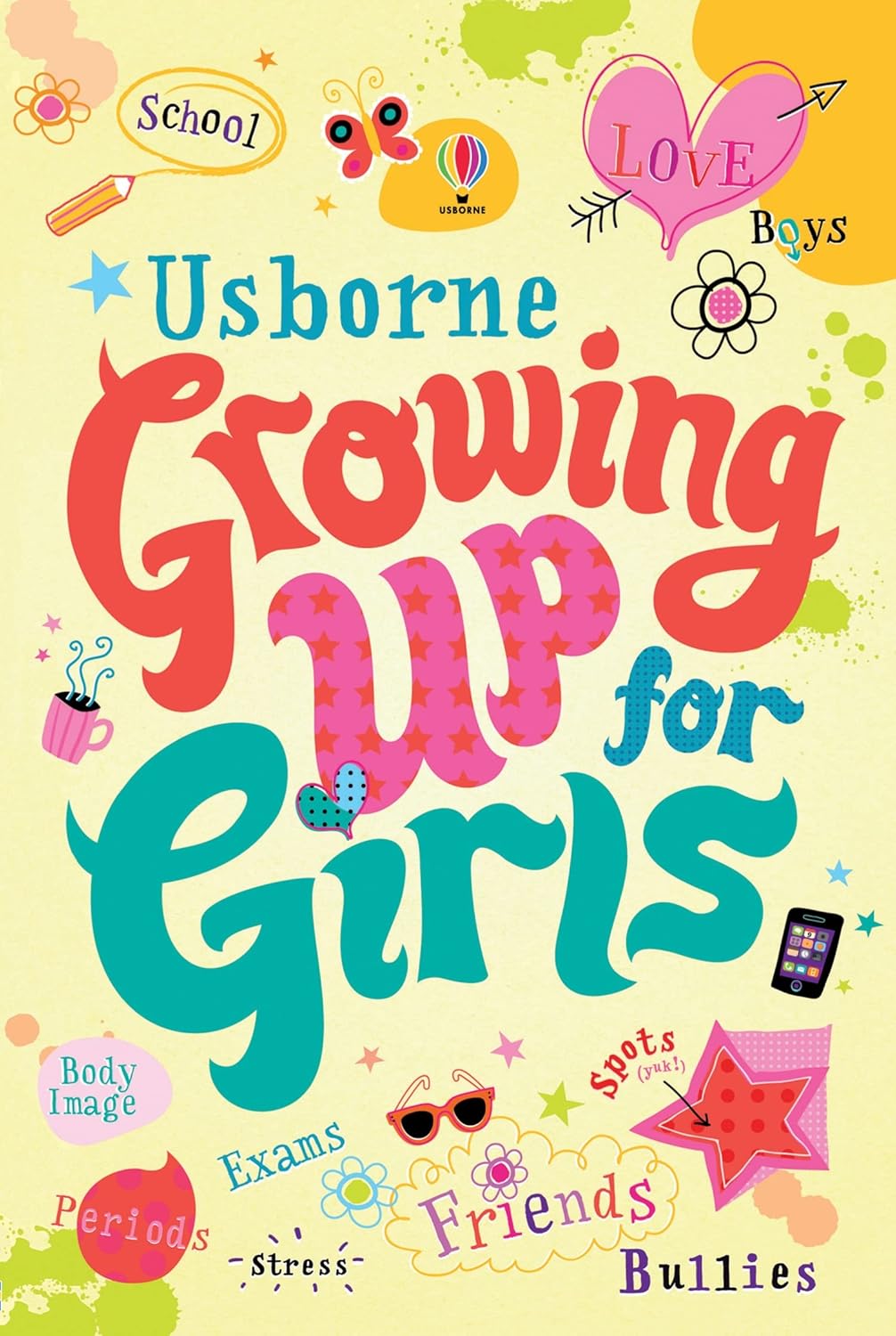
Usborne Growing Up for Girls by Felicity Brooks Puberty & Teen Guide for Girls Ages 9-14Growing Up for Girls by Felicity Brooks is a trusted, age-appropriate guide to puberty and growing up for girls aged 9-14. This bestselling Usborne paperback explains body changes, periods, emotions, friendships, self-confidence, healthy living, relationships, online safety, and more in a clear, reassuring, and easy-to-understand way. Perfect for pre-teens, teenagers, parents, and schools, this essential guide helps girls navigate the physical, emotional, and social changes of adolescence with confidence. ISBN: 9781409534976. Related Tags: Usborne, Usbourne3,45 £*Shipping: 1,99 £Secure redirect to the provider
-
Growing Up for Girls by Felicity Brooks & Katie Lovell - Usborne Paperback Puberty & Confidence Guide - Ages 9-12A warm and straight-talking guide to help pre-teen and early-teen girls understand the physical, emotional and social changes of puberty. Written by children's non-fiction specialist Felicity Brooks and illustrated by Katie Lovell, this Usborne guide tackles everything from periods and body image to friendships, moods and online safety with honesty, humour and reassurance. It provides clear explanations of the physical changes girls go through during puberty, along with practical information on periods, hygiene, diet and exercise. The book also explores the emotional rollercoaster of the teenage years, making it a trusted resource for girls, parents, carers and teachers alike.2,99 £*Shipping: 2,99 £Secure redirect to the provider
-
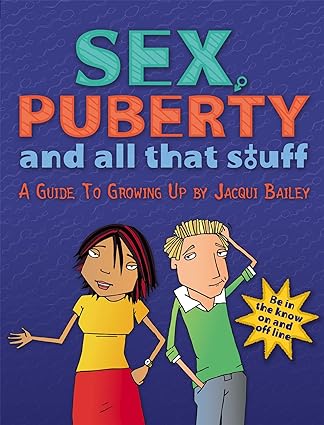
Hachette Sex, Puberty and All That Stuff – Growing Up Guide for Kids by Jacqui Bailey Educational Health BookSex, Puberty and All That Stuff is a clear, friendly, and age-appropriate guide to growing up, written by Jacqui Bailey. Designed to help children understand body changes, puberty, relationships, and basic sex education, this book explains important topics in a reassuring and accessible way. Using simple language and engaging illustrations, it answers common questions young readers may have while encouraging confidence and healthy conversations. Perfect for home or classroom use, this guide supports parents, carers, and educators in introducing sensitive topics with honesty and clarity. It promotes understanding, respect, and positive attitudes toward growing up. Why Families & Educators Value This Book: Age-appropriate introduction to puberty and body changes Clear explanations with friendly illustrations Supports open conversations about growing up Ideal for school health education Encourages confidence and understanding A trusted growing-up guide, Sex, Puberty and All That Stuff helps young readers navigate change with knowledge and reassurance.1,99 £*Shipping: 1,99 £Secure redirect to the provider


-
Has puberty increased?
There is evidence to suggest that puberty may be starting at an earlier age in some populations, possibly due to factors such as improved nutrition and overall health. However, there is also evidence that the age of puberty onset has remained relatively stable in other populations. It is important to consider that puberty onset can be influenced by a variety of factors, including genetics, environment, and socio-economic status. Therefore, while there may be some evidence of earlier puberty in some populations, it is not a universal trend. **
-
Bipolar or puberty?
Bipolar disorder and puberty are two distinct conditions that can have overlapping symptoms, making it difficult to differentiate between the two. Bipolar disorder is a mental health condition characterized by extreme mood swings, while puberty is a natural stage of development during adolescence. It is important to consult with a healthcare professional to accurately diagnose and differentiate between the two, as treatment and management strategies will vary depending on the underlying cause of the symptoms. Symptoms such as mood swings, irritability, and changes in sleep patterns can be present in both bipolar disorder and puberty, so a thorough evaluation is necessary for an accurate diagnosis. **
-
What is puberty?
Puberty is a natural process of physical and hormonal changes that occur in adolescents as they transition from childhood to adulthood. These changes typically begin around the ages of 8-13 in girls and 9-14 in boys and can last for several years. Puberty is characterized by the development of secondary sexual characteristics, such as breast development in girls and facial hair growth in boys, as well as changes in emotions and behavior. **
-
What is worse: girls in puberty or boys in puberty?
It is not accurate or fair to say that one gender experiences puberty in a worse way than the other. Both girls and boys go through significant physical, emotional, and hormonal changes during puberty, which can be challenging and confusing for both. Each individual's experience of puberty is unique and can vary greatly, regardless of gender. It is important to provide support, understanding, and guidance to all young people as they navigate this important stage of development. **

What is early puberty?
Early puberty, also known as precocious puberty, is when a child's body begins to go through the physical changes of puberty at an earlier age than is considered typical. This can include the development of breasts, the growth of pubic hair, and the onset of menstruation in girls, and the growth of facial hair and deepening of the voice in boys. Early puberty can be caused by a variety of factors, including genetics, obesity, and certain medical conditions. It is important for children experiencing early puberty to be evaluated by a healthcare professional to determine the underlying cause and to monitor their growth and development. **
Depression or Puberty 2?
"Depression or Puberty 2?" is a popular internet meme that humorously compares the symptoms of depression to the typical mood swings and changes associated with puberty. The meme often features a picture of a person looking distressed with the caption "Depression" and a picture of a person looking happy and carefree with the caption "Puberty 2." The meme is meant to highlight the similarities between the two experiences and to bring some humor to the topic of mental health. **
Top-Angebote
Products related to Puberty:
-
Franklin Watts Sex, Puberty and All That Stuff: A Guide to Growing Up by Jacqui Bailey - Paperback - Teen Sex Education & Puberty Guide - Ages 12+A guide to growing up, written in a friendly and non-judgmental voice, covering the physical, emotional, and social aspects of adolescence. This newly updated handbook for teenagers tackles topics such as body changes, relationships, sex, contraception, and online safety, providing accurate and reassuring information checked by expert consultants. Written by children's non-fiction specialist Jacqui Bailey, it aims to meet teenagers where they are, addressing their questions and concerns about growing up.4,99 £*Shipping: 2,99 £Secure redirect to the provider
-
Inspired Deals Precision Digital Thickness Gauge 025.4mm With 0.01mm Resolution Precision Digital Thickness Gauge 025.4mm With 0.01mm ResolutionGet dependable measurements in seconds and take the guesswork out of material selection and quality checks. This digital thickness gauge measures from 025.4mm with 0.01mm resolution and approximately 0.02mm tolerance for consistent everyday...64,97 $*Shipping: 0,00 $Secure redirect to the provider
-
TeeTurtle Happy Little Dinosaurs: Perils of Puberty Expansion - 54-Card Board Game for Adults & KidsAdds 54 humorous dinosaur-themed cards to the Happy Little Dinosaurs game, featuring awkward teenage experiences like acne and hormones. Designed for 2-4 players, ages 8 and up, with a playtime of 30-60 minutes.11,96 £*Shipping: 3,95 £Secure redirect to the provider
-
Usborne Growing Up for Girls by Felicity Brooks Puberty & Teen Guide for Girls Ages 9-14Growing Up for Girls by Felicity Brooks is a trusted, age-appropriate guide to puberty and growing up for girls aged 9-14. This bestselling Usborne paperback explains body changes, periods, emotions, friendships, self-confidence, healthy living, relationships, online safety, and more in a clear, reassuring, and easy-to-understand way. Perfect for pre-teens, teenagers, parents, and schools, this essential guide helps girls navigate the physical, emotional, and social changes of adolescence with confidence. ISBN: 9781409534976. Related Tags: Usborne, Usbourne3,45 £*Shipping: 1,99 £Secure redirect to the provider
-
Is it normal for there to be parental conflict during puberty?
Yes, it is normal for there to be parental conflict during puberty. Puberty is a time of significant physical, emotional, and cognitive changes for adolescents, which can lead to increased tension and conflict within the family. Adolescents may seek more independence and autonomy, while parents may struggle to adjust to their child's changing behavior and attitudes. It is important for both parents and adolescents to communicate openly, set boundaries, and seek support when needed to navigate this challenging period. **
-
Is puberty annoying?
Puberty can be a challenging and confusing time for many people. The physical and emotional changes that occur during puberty can be overwhelming and frustrating at times. It can be annoying to deal with acne, mood swings, and body changes. However, it is also a natural and necessary part of growing up, and it is important to remember that these changes are temporary and a normal part of development. **
-
Has puberty increased?
There is evidence to suggest that puberty may be starting at an earlier age in some populations, possibly due to factors such as improved nutrition and overall health. However, there is also evidence that the age of puberty onset has remained relatively stable in other populations. It is important to consider that puberty onset can be influenced by a variety of factors, including genetics, environment, and socio-economic status. Therefore, while there may be some evidence of earlier puberty in some populations, it is not a universal trend. **
-
Bipolar or puberty?
Bipolar disorder and puberty are two distinct conditions that can have overlapping symptoms, making it difficult to differentiate between the two. Bipolar disorder is a mental health condition characterized by extreme mood swings, while puberty is a natural stage of development during adolescence. It is important to consult with a healthcare professional to accurately diagnose and differentiate between the two, as treatment and management strategies will vary depending on the underlying cause of the symptoms. Symptoms such as mood swings, irritability, and changes in sleep patterns can be present in both bipolar disorder and puberty, so a thorough evaluation is necessary for an accurate diagnosis. **
Similar search terms for Puberty
-
Growing Up for Girls by Felicity Brooks & Katie Lovell - Usborne Paperback Puberty & Confidence Guide - Ages 9-12A warm and straight-talking guide to help pre-teen and early-teen girls understand the physical, emotional and social changes of puberty. Written by children's non-fiction specialist Felicity Brooks and illustrated by Katie Lovell, this Usborne guide tackles everything from periods and body image to friendships, moods and online safety with honesty, humour and reassurance. It provides clear explanations of the physical changes girls go through during puberty, along with practical information on periods, hygiene, diet and exercise. The book also explores the emotional rollercoaster of the teenage years, making it a trusted resource for girls, parents, carers and teachers alike.2,99 £*Shipping: 2,99 £Secure redirect to the provider
-
Hachette Sex, Puberty and All That Stuff – Growing Up Guide for Kids by Jacqui Bailey Educational Health BookSex, Puberty and All That Stuff is a clear, friendly, and age-appropriate guide to growing up, written by Jacqui Bailey. Designed to help children understand body changes, puberty, relationships, and basic sex education, this book explains important topics in a reassuring and accessible way. Using simple language and engaging illustrations, it answers common questions young readers may have while encouraging confidence and healthy conversations. Perfect for home or classroom use, this guide supports parents, carers, and educators in introducing sensitive topics with honesty and clarity. It promotes understanding, respect, and positive attitudes toward growing up. Why Families & Educators Value This Book: Age-appropriate introduction to puberty and body changes Clear explanations with friendly illustrations Supports open conversations about growing up Ideal for school health education Encourages confidence and understanding A trusted growing-up guide, Sex, Puberty and All That Stuff helps young readers navigate change with knowledge and reassurance.1,99 £*Shipping: 1,99 £Secure redirect to the provider
-
Little Book of Growing Up by Victoria Parker - Girls Puberty Guide - Paperback - Ages 9-12 - Hodder Children's BooksA reassuring guide for young girls approaching or experiencing puberty, 'The Little Book of Growing Up' by Victoria Parker answers everyday questions in warm, plain-English language. It covers bodily changes, periods, hygiene, and emotional wellbeing in a way that's easy to understand. This compact paperback is designed to be a friendly reference that parents, carers, and teachers can hand to a child, or that a child can read independently and privately. It's built around the real questions girls ask as their bodies begin to change, breaking down puberty into manageable sections covering physical development, starting periods, personal hygiene, and emotional changes.2,49 £*Shipping: 2,99 £Secure redirect to the provider
-
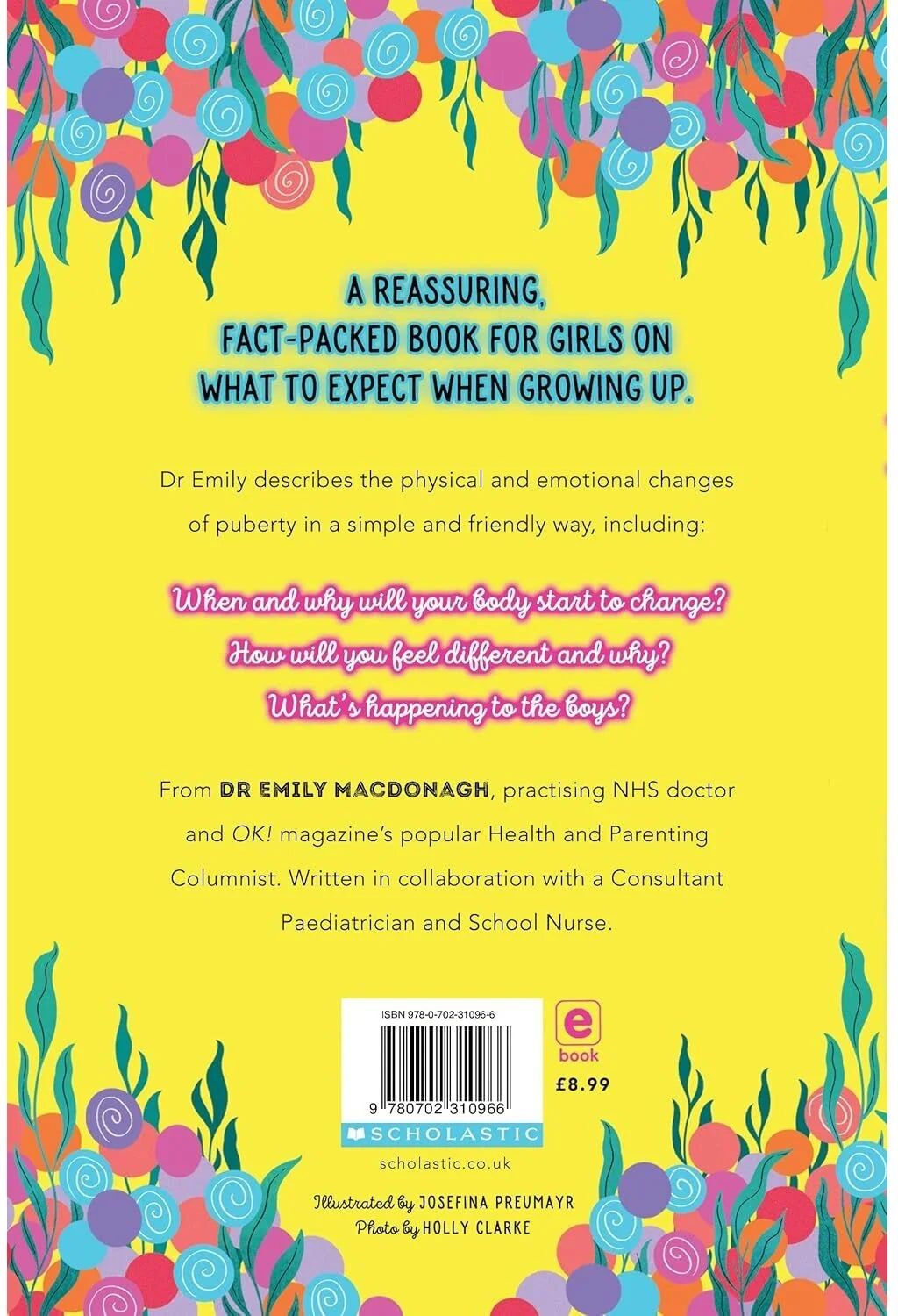
Growing Up for Girls by Dr Emily MacDonagh - Paperback Puberty Guide for Girls Ages 9-11 - Scholastic Non FictionA reassuring guide to help girls understand puberty with confidence. Written by Dr Emily MacDonagh, a practising NHS doctor, this 96-page paperback explains the physical and emotional changes of growing up in clear, friendly language. It covers body changes, feelings, friendships and self-esteem, making it an ideal first puberty book for girls aged 9-11 and a trusted companion for parents starting these conversations. The book breaks down puberty into manageable chunks, explaining when and why bodies begin to change, what periods and growth spurts involve, and how emotions can feel unpredictable. It also includes a section on what's happening to boys, all presented in a gentle and encouraging tone.5,99 £*Shipping: 2,99 £Secure redirect to the provider
-
What is puberty?
Puberty is a natural process of physical and hormonal changes that occur in adolescents as they transition from childhood to adulthood. These changes typically begin around the ages of 8-13 in girls and 9-14 in boys and can last for several years. Puberty is characterized by the development of secondary sexual characteristics, such as breast development in girls and facial hair growth in boys, as well as changes in emotions and behavior. **
-
What is worse: girls in puberty or boys in puberty?
It is not accurate or fair to say that one gender experiences puberty in a worse way than the other. Both girls and boys go through significant physical, emotional, and hormonal changes during puberty, which can be challenging and confusing for both. Each individual's experience of puberty is unique and can vary greatly, regardless of gender. It is important to provide support, understanding, and guidance to all young people as they navigate this important stage of development. **
-
What is early puberty?
Early puberty, also known as precocious puberty, is when a child's body begins to go through the physical changes of puberty at an earlier age than is considered typical. This can include the development of breasts, the growth of pubic hair, and the onset of menstruation in girls, and the growth of facial hair and deepening of the voice in boys. Early puberty can be caused by a variety of factors, including genetics, obesity, and certain medical conditions. It is important for children experiencing early puberty to be evaluated by a healthcare professional to determine the underlying cause and to monitor their growth and development. **
-
Depression or Puberty 2?
"Depression or Puberty 2?" is a popular internet meme that humorously compares the symptoms of depression to the typical mood swings and changes associated with puberty. The meme often features a picture of a person looking distressed with the caption "Depression" and a picture of a person looking happy and carefree with the caption "Puberty 2." The meme is meant to highlight the similarities between the two experiences and to bring some humor to the topic of mental health. **
* All prices are inclusive of VAT and, if applicable, plus shipping costs. The offer information is based on the details provided by the respective shop and is updated through automated processes. Real-time updates do not occur, so deviations can occur in individual cases. ** Note: Parts of this content were created by AI.